
Laguna Hills Resident Lookup: What It Confirms
One person can appear in several Orange County and California systems, but the result is always tied to the record’s purpose. A property record confirms an owner or assessee and a tax-mail destination. A deed index confirms a recorded party and document trail. A court case connects a name to a role and event. A vital copy confirms an event or relationship under an access rule. Business and license records provide affiliations. Probate can identify the roles of heirs and representatives.
| Record | What It Confirms | Where | Access |
|---|---|---|---|
| Assessor parcel | Ownership, assessment, situs, mailing destination | Orange County Assessor and ParcelQuest gateway | Gateway or public counter |
| Deed index or copy | Transaction, party role, legal parcel, return address | Orange County RecorderWorks | Free index; paid copy request |
| Court case | Identity variants, role, event, disposition | Orange County Superior Court | Known case route or paid name search |
| Vital record | Birth, death, marriage, or relationship event | County Clerk-Recorder or CDPH | Authorized or informational copy rules |
| Voter record | Authenticated status, mailing address, districts, history | Orange County Vote | Self-lookup; regulated file for permitted uses |
| Business or license | Entity, credential, status, affiliation | California SOS or DCA | Free basic search; details vary |
| Probate | Decedent, petitioner, representative, heirs | Orange County Superior Court | Case search and document copies |
Start with the clue least likely to be shared. A full name alone is weak. A name plus APN, spouse, middle initial, business number, case number, or dated address is stronger. The Laguna Hills by-street record chain is the better first move when the address is known.
Laguna Hills Court Resident Lookup
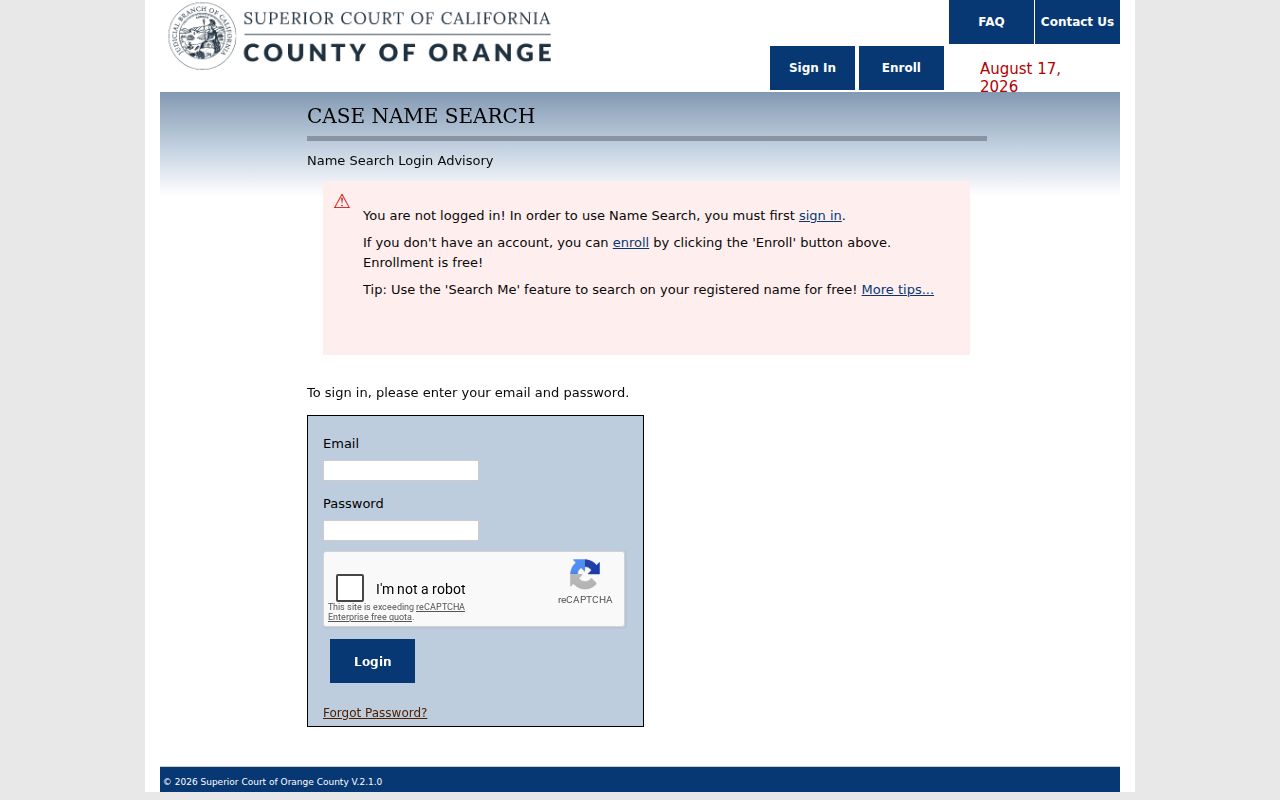
Orange County Superior Court Case Access separates Civil, Criminal and Traffic, Family Law, Probate, and Small Claims. A known case number is the efficient route. The registered Case Name Search is a paid person or business search. The fee schedule lists $1.50 for one credit, $5 for five, $9 for ten, $70 for seventy-five, and $400 for thirty days of unlimited use. The court warns that online data are not the official court record.
| Person or business name | Required for a paid name search; test spelling and name-order variants separately. |
|---|---|
| Case category | Civil, Criminal and Traffic, Family Law, Probate, or Small Claims. |
| Case number | Required for the known-case route and usually more precise than a name. |
| Sign in or enroll | Registration and search credit are needed for the name service. |
| Search and terms | Accept portal terms and remember that displayed data may be incomplete or delayed. |
A visible result may show case number and title, filing date, type, courthouse, judicial officer, party names and roles, register-of-actions events, hearings, disposition, status, document descriptions, and paid document links. Probate, family, civil-harassment, and workplace-violence documents may not be remotely displayed even where an index is visible. Sealed cases, juvenile material, adoption records, protected attachments, and victim identifiers remain unavailable or redacted.
The Orange County paid case-name search is the official name-first court route.
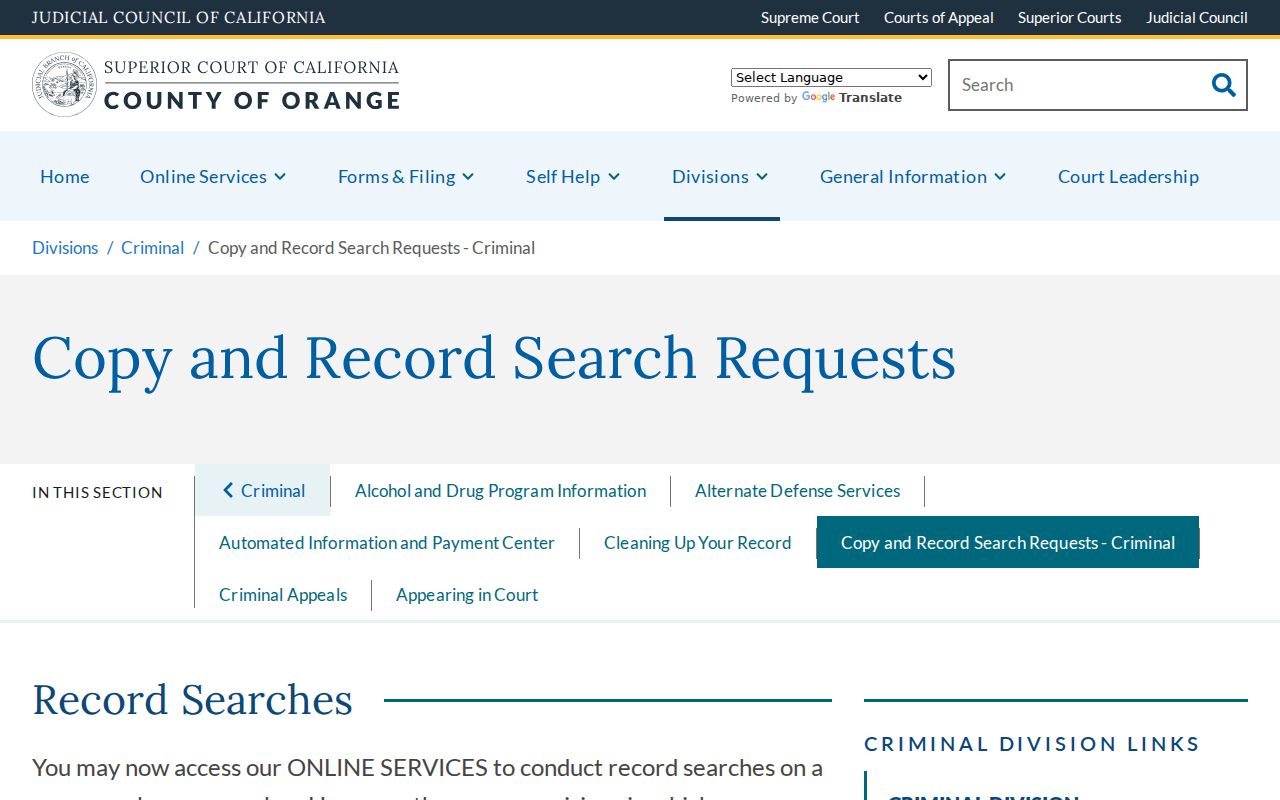
For a criminal copy request, form L-3009 asks for defendant name, case number, date of birth if known, driver-license number if known, requested documents, and a phone number. The published processing time is generally seven to ten working days. Request the copy from the justice center that holds the case.
The Orange County criminal record request page supplies the form and copy-request route.
Avoid the Laguna Hills Same-Name Lookup Trap
The most common resident lookup error is joining two people because they share a name and a city. Laguna Hills has a small municipal footprint, and the older record trail may use El Toro or county geography. A court party, deed grantor, business officer, or licensee can belong to a different person with the same surname and first name.
Use stable combinations instead. Compare middle initials, spouse or parent names, APN and legal description, a dated address, entity number, license number, court case number, occupation as printed in a historical volume, or an obituary date. Never copy sensitive identifiers into a research note. A name match is a lead until a second independent detail agrees.
When the search begins with an address, keep owner and occupant as separate fields. The assessor’s owner or mailing address is not proof that the person occupies the parcel. When the search begins with a person, the recorder and court systems are useful for roles and dates, but neither is a universal residence roll.
Note: A same-name result becomes more useful when the source supplies a date, role, parcel, spouse, or entity number that another record can test.
Verifying a Laguna Hills Resident Lookup
A resident lookup should move from a broad clue to a documented match. The following workflow assumes a name and a possible Laguna Hills address, but it also works in reverse when a historical person is being traced forward.
- Normalize the full name, middle initial, prior name, likely age, and place-name variants. Do not join same-name hits because they share Laguna Hills.
- Use the assessor parcel route when an address is known. Record APN, situs, owner or assessee, mailing destination, tract, lot, and legal description separately.
- Search RecorderWorks in both grantor and grantee roles near the relevant date. Save the instrument number before ordering a copy.
- Search court categories separately. Copy the party role, case number, filing date, and disposition instead of treating a name hit as a conclusion.
- Use a vital informational copy or authorized copy only when the relationship or event is needed, and follow the eligibility and notarization rule.
- Cross-check a stable combination such as spouse plus date, legal parcel plus deed, or entity number plus filing history.
- If an official record is wrong, ask the custodian about its correction route. Do not publish a private workaround.
- Docket
- A court’s running event record, such as filings, hearings, orders, and disposition. It is not automatically proof of current residence.
- Index versus image
- An index helps locate a document. An image or certified copy contains the underlying record and may require a separate request or fee.
- Certified copy
- A copy issued by the custodian with a certification that gives it a formal record status. Access depends on the record type.
Laguna Hills Vital Copies for Lookup
California birth, death, public marriage, confidential marriage, and divorce records do not share one opening rule. Orange County holds local registrations and copies, while CDPH provides the statewide application route. Authorized copies require a statutory relationship or other eligibility and a notarized sworn statement. Informational copies are available to more requesters but carry a nonidentity legend and may redact fields.
The 2026 state fees listed in the research are $31 for birth, $26 for death, $19 for marriage, and $18 for dissolution. Orange County lists a $34 birth fee, $26 death fee, and $19 marriage fee for 2026. CDPH mail applications do not receive a pre-search confirmation, and the fee is retained when no record is found. Use the county first for a recent Orange County event, then the state as the fallback.
An informational death copy can help distinguish two people, while a marriage record can clarify a relationship. Sealed adoption originals, confidential marriage, confidential birth sections, and specified amendments remain restricted. For a birth-parent question, use California’s official adoption-information and court processes rather than attempting to defeat a seal.
CDPH Vital Records, its authorized-copy guidance, and the 2026 fee schedule should be read before a request. The Clerk-Recorder’s local record may be faster, but the access rule still controls.
Laguna Hills Voter Lookup Limits
The Orange County Your Voter Information tool is not an open resident lookup. It asks the voter to authenticate with date of birth, the last four digits of a California driver license or ID or Social Security number, and the first three letters of the first name. It can then show status, mailing address, party, history, districts, officials, ballot tracking, and address confirmation for that authenticated record.
A countywide voter-file request is separate. Elections Code section 2194 permits access for election, political, scholarly, journalistic, or governmental purposes and bars commercial use. Government Code section 7924.000 protects home address, phone, email, precinct, and identifier fields from general disclosure while allowing specified access. The application requires a lawful purpose, wet signature, identification, supporting documents, payment, security acknowledgments, and product details.
Voter history tells whether a person participated in an election, not the ballot choice. A protected voter may not appear in a general search. That absence cannot settle whether a person lives in Laguna Hills.
Laguna Hills Family Lookup Leads
A human-use resident lookup often has a narrower goal than current address research. Probate petitions and notices can identify a decedent, petitioner, nominated representative, heirs, and counsel. Obituaries can connect a former resident to relatives, a cemetery, funeral home, or organization. Treat obituary material as secondary evidence and confirm the event through death records and the probate docket.
Former classmates may surface through yearbooks, library catalog records, newspapers, and school archives. The Laguna Hills Library gives local access to genealogy databases and public computers. A directory entry can supply a spouse, address, or occupation clue, but the actual volume and its coverage must be checked. The historical collection route is handled on the Laguna Hills city directory collections page.
Family research can also involve an adoptee or birth parent. California’s official adoption-information, court, and sealed-record procedures control that search. Respecting the process is part of accurate identity work.
Laguna Hills Business and License Lookup
California Secretary of State bizfile can connect a business name or number to entity status, formation jurisdiction and date, agent for service, addresses, officers or managers, and filing history. The Department of Consumer Affairs gateway can return license name, number, type, status, issue or expiration dates, public address where allowed, and discipline links. These affiliations can separate two people with the same name.
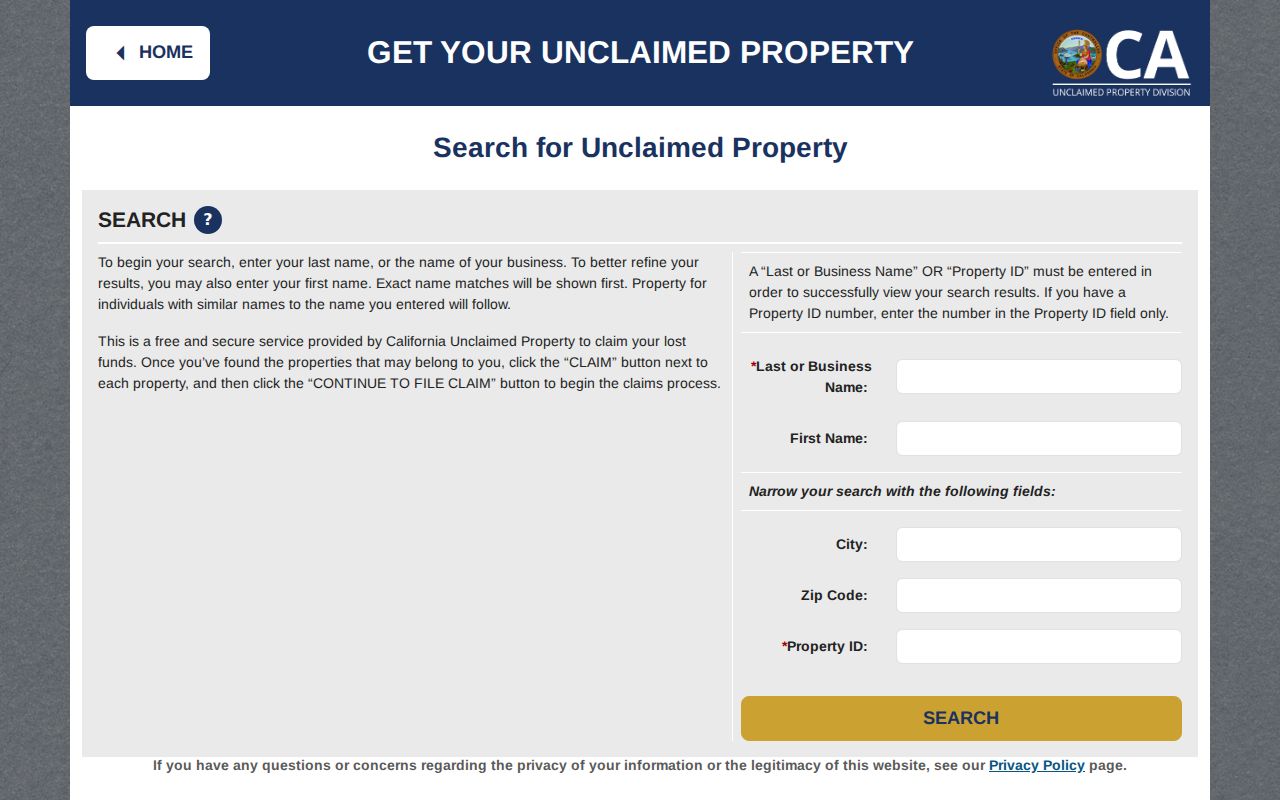
California’s ClaimIt search is another official name or property-ID check for unclaimed property. It is a lead, not proof of a current Laguna Hills residence. Match the last or business name, optional first name, location refinement, and claim details, then use the state’s claim process. A business or license address may belong to an office, agent, or organization.
The California unclaimed-property search provides a free state-held name and property-ID route.
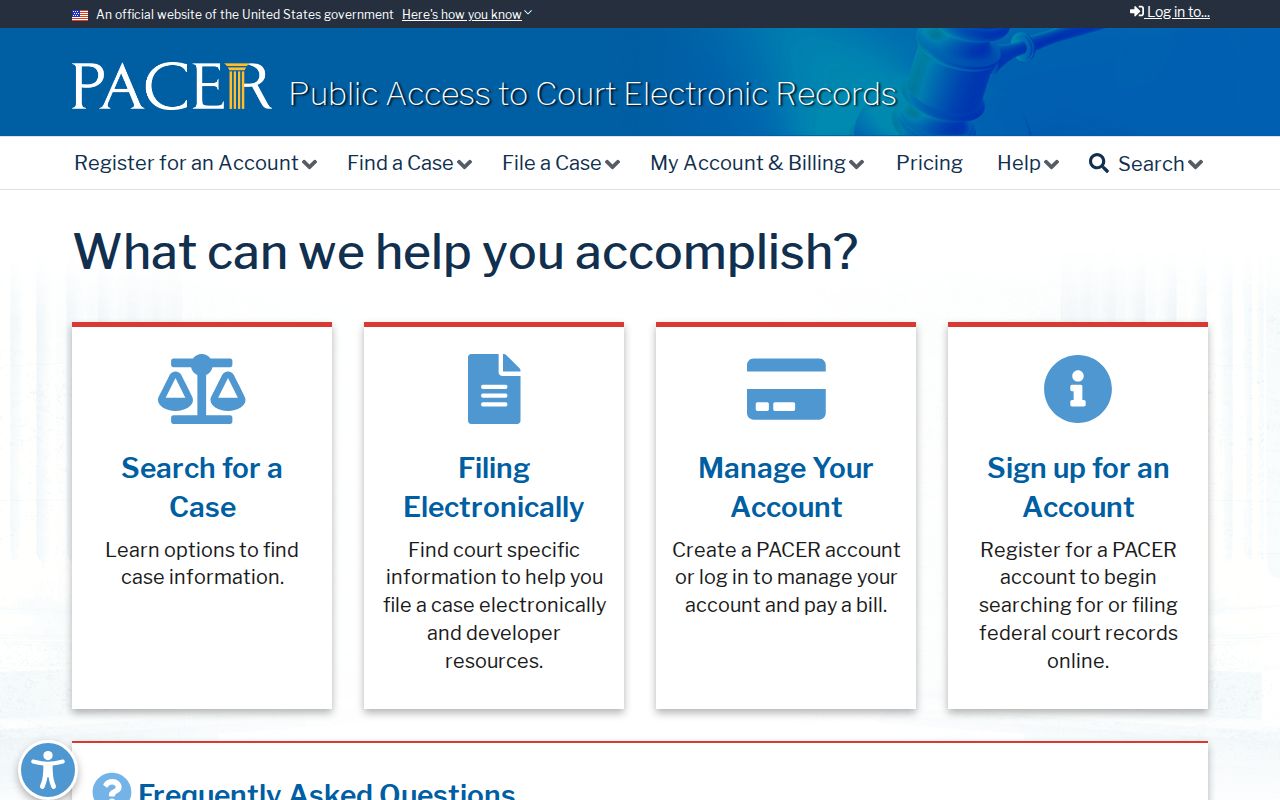
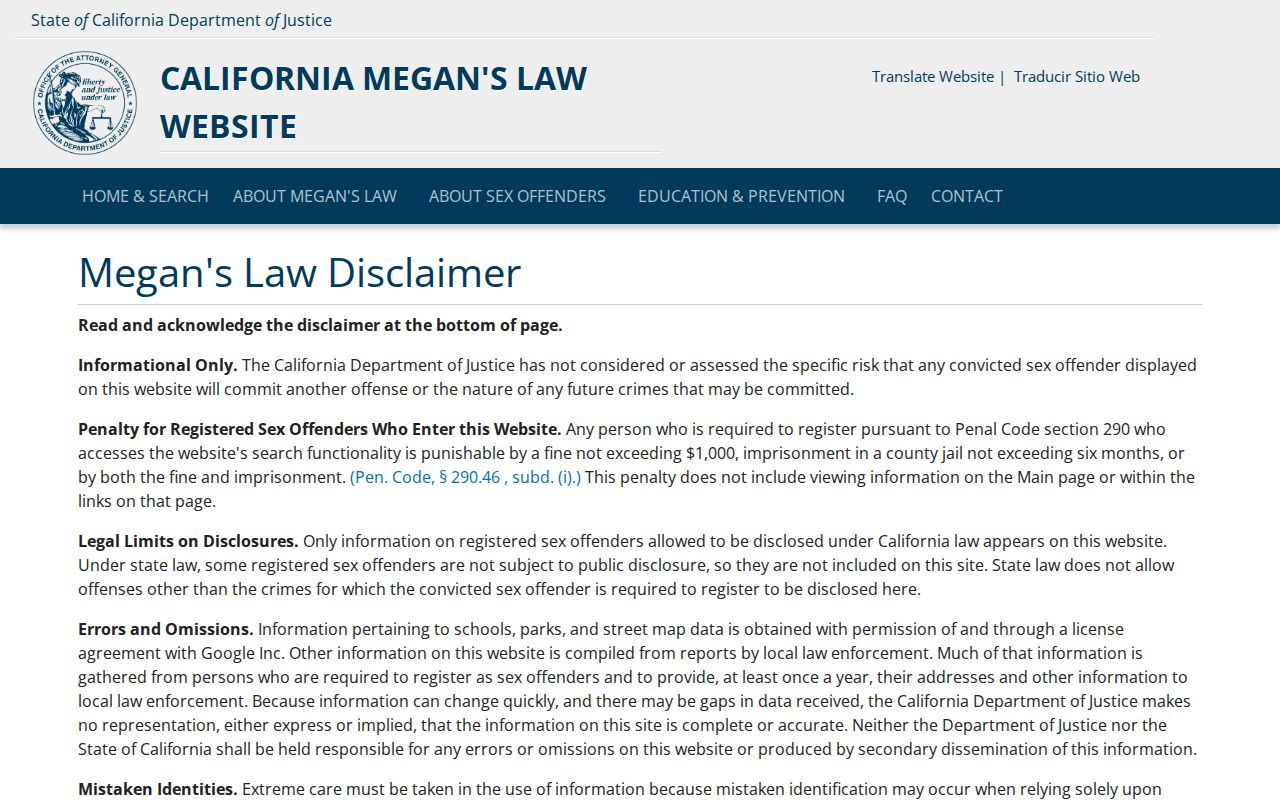
Official custody and offender tools have their own narrow rules too. California Megan’s Law carries statutory exclusions and use warnings. The federal PACER system covers federal cases in the Central District of California after registration and fees. The CDCR incarcerated-person locator is a separate statewide prison-population check. Arrest, custody, court, and registry results must be dated and checked against the controlling record.
The PACER federal court route is separate from Orange County Superior Court access.
Federal court material and state registry material are separate record trails, so keep their dates and access rules distinct.
The California Megan’s Law website explains the official name and geography search route and its use limits.
Laguna Hills Resident Lookup: Legal Limits
California’s Public Records Act, Gov. Code sections 7920.000 and following, provides a request path for existing identifiable records. It does not require an agency to create a new person profile or answer an open-ended questionnaire. The Driver’s Privacy Protection Act closes DMV personal information except for defined uses. Safe at Home supplies a substitute address for qualifying protected participants. Voter, vital, juvenile, adoption, and sealed records have additional limits.
Use a custodian’s correction process when a result is wrong. Use a targeted CPRA request when an existing city file is not online. Preserve the source date and the exact record role. A missing result may reflect a protected address, a place-name change, a coverage gap, or a record that the custodian does not hold.
Lawful personal use. A Laguna Hills resident lookup is for personal, lawful research, genealogy, reconnecting, and civic understanding. Do not use information to stalk, harass, threaten, intimidate, or harm a person.
Orange County’s office, the city clerk, the courts, the library, and state custodians each know their own record. Verification ends with the office that maintains the entry.